VICTORIA DUBOURG
Paris 1840 - 1926 Bure, Orne
Ref: CC 230
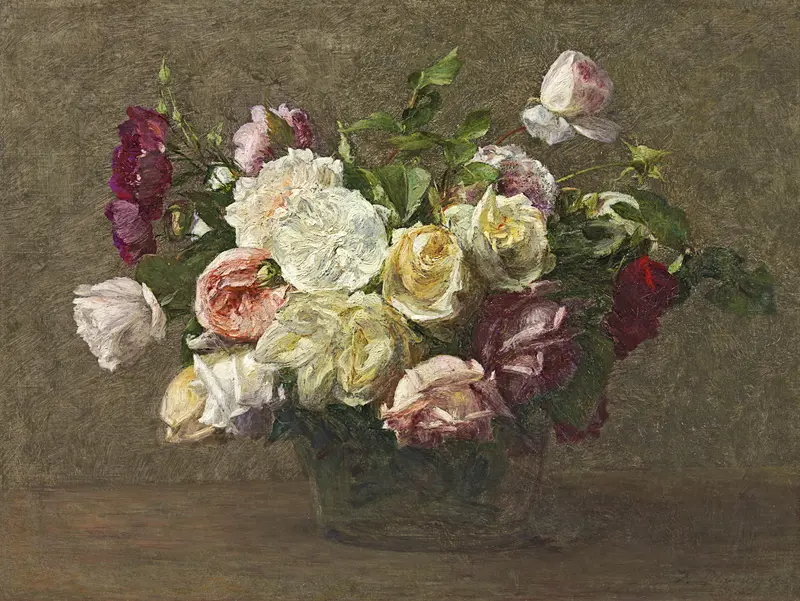
Bouquet de roses
Signed and dated lower right: V. Dubourg 1907
Oil on canvas: 13 ¼ x 17 ¾ in / 33.7 x 45.1 cm
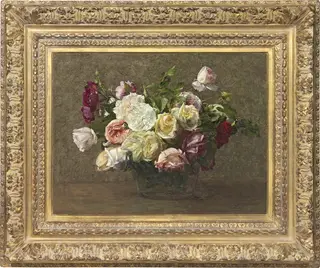
Frame size: 21 ¼ x 25 ½ in / 54 x 64.8 cm
Provenance:
acquired from the artist by Julien Tempelaere, Paris;
by descent in a private collection, France
Victoria Dubourg was a highly accomplished painter of still lifes and flowers who has for a long time stood in the shadow of her better-known husband, Henri Fantin-Latour (1836-1904). They married in 1876, having met a decade earlier when both were copying paintings in the Louvre. The shy and serious Fantin wrote to friends in England ‘Je crois que je vais être heureux: nous nous connaissons et nous convenons très bien’1
1 Quoted in Sylvie Patrie, ‘Victoria Dubourg, “Femme supérieure et peintre de mérite” ’, in Lausanne, Fondation de l’Hermitage, Fantin-Latour: de La Réalité au Rêve, 2007, p.169. . The couple shared a love of music, particularly Wagner. Victoria was a fine pianist and a fluent German speaker, having spent several years in Frankfurt-am-Main as a child.
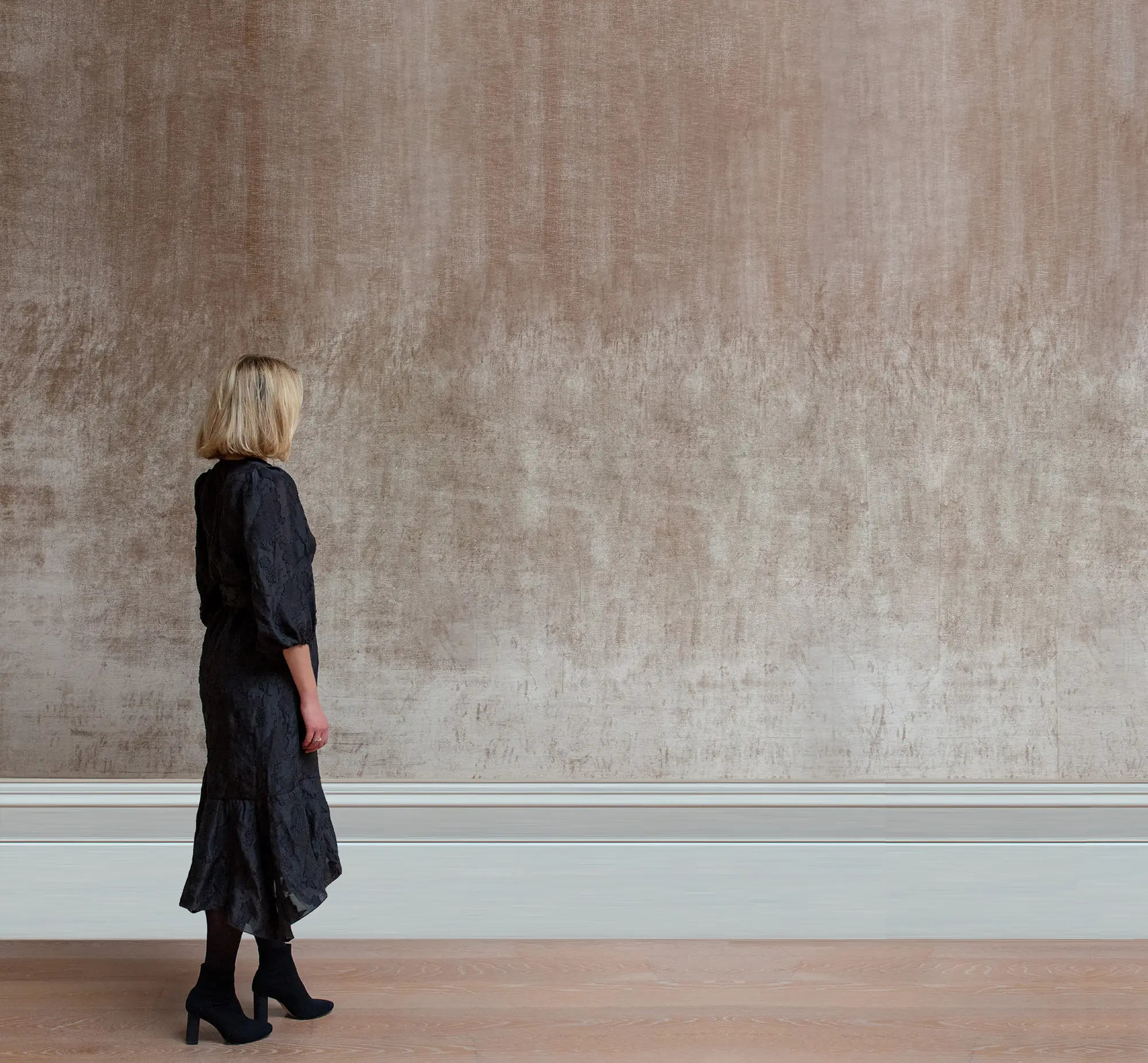
The Fantin-Latours painted side-by-side in their Paris studio and in the summer at the house in Buré, Normandy which Victoria had inherited from her uncle in 1880. Neither painted en plein air, preferring to place flowers of carefully chosen hues against a plain background in the studio. This Bouquet de roses is set against a textured brown background which throws the blooms into dramatic relief. Victoria delights in the varied colours and varieties of roses – noisette, centifolia and single-petalled – which were the result of the extraordinary interest in rose breeding in both sides of the English Channel in the nineteenth century. The development of different types of roses had been an aristocratic pursuit in the late eighteenth and early nineteenth century, as can be seen with Empress Joséphine’s garden at Malmaison. Later in the nineteenth century the pursuit became democratised, spurred by initiatives such as village horticultural societies. Dubourg paints with bravura, allowing light and shade to fleet across the complex, velvety petals, choosing as her brightest focus a perfect round white rose.
The painting was acquired from the artist by the Parisian art dealer Julien Tempelaere and has descended in his family. Julien’s father Gustave Tempelaere (1840-1904) became Henri Fantin-Latour’s dealer in 1887 and greatly developed the market for his paintings in France. Previously Fantin’s biggest market, especially for flower paintings, had been England, masterminded by husband and wife Edwin (1823-1879) and Ruth Edwards (1833-1907). After Fantin’s death in 1904, Gustave Tempelaere’s sons Ferdinand and Julien inherited the business and continued to deal in paintings by Fantin and Victoria Dubourg, a fierce keeper of her husband’s flame. The Tempelaeres organised a centenary exhibition of Fantin’s work in his birthplace of Grenoble in 1936.
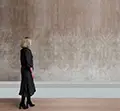
Victoria Dubourg in her studio.
1 Quoted in Sylvie Patrie, ‘Victoria Dubourg, “Femme supérieure et peintre de mérite” ’, in Lausanne, Fondation de l’Hermitage, Fantin-Latour: de La Réalité au Rêve, 2007, p.169.